
A TALE OF TWO BOSTON DIY VENUES
Yes, I remember the date because it was a momentous occasion. I admit it was slightly intimidating because I was still an outsider to the insular Boston hardcore clique (or Boston Crew, as they became known). I wouldn’t say it was something completely out of control, but it was different than being at a club that had a bar, bouncers and a big stage. Minor Threat played second, due to concerns the show would get shut down (it didn’t) and they were accompanied by SS Decontrol, the FU’s and The Proletariat. I was off on the side watching the mayhem, watching Minor Threat’s drummer Jeff Nelson’s hands and wondering how he played so fast without missing a beat, while bodies flung to and fro and people yelled into the mike along with Ian MacKaye.
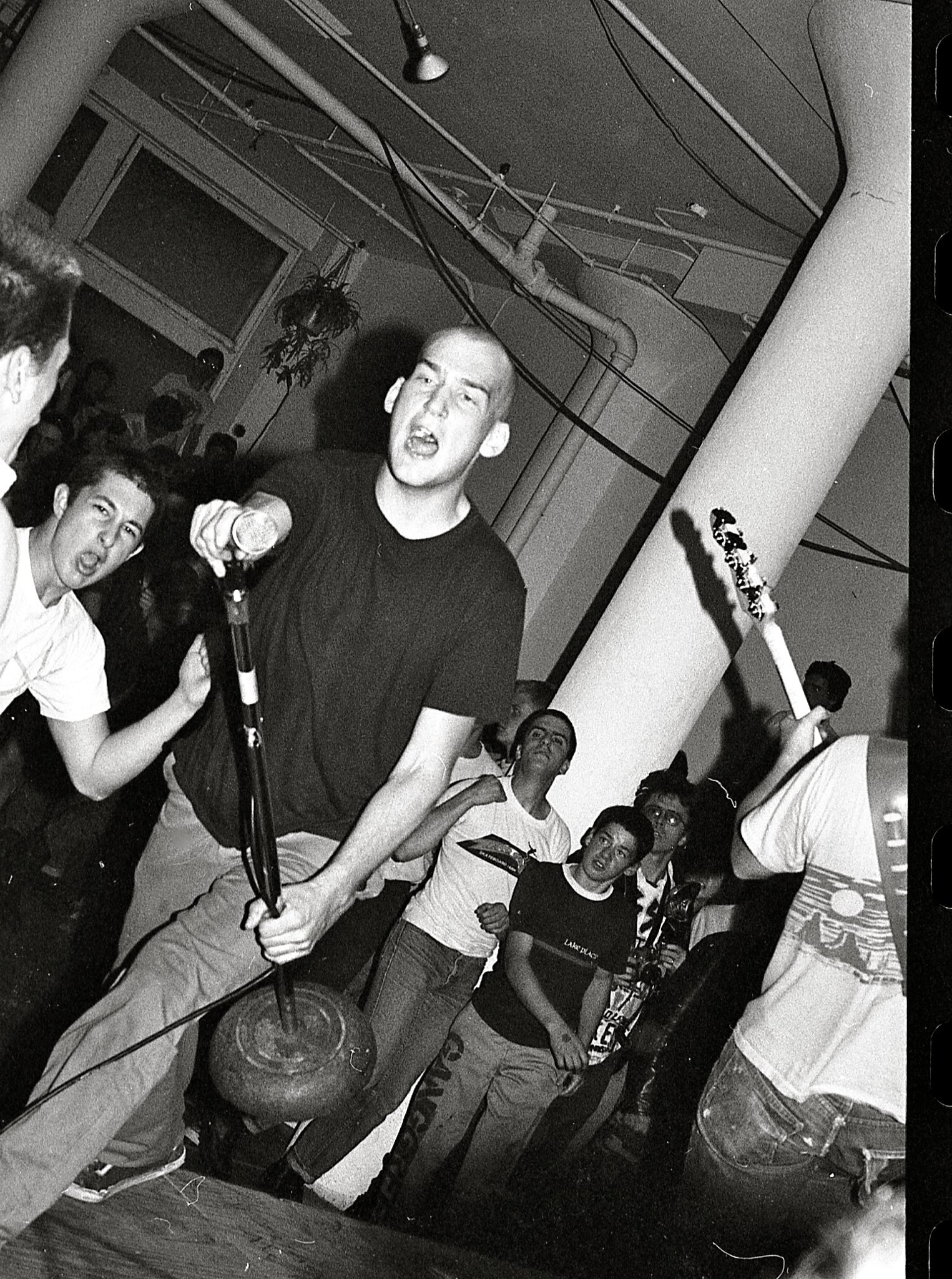
This was a smallish room that probably held no more than 200 people, with big glass windows at the front that somehow never got broken, at least when I was there. Outside, people would skateboard and hang out long before the doors to the gallery opened. The stage was low and there was no boundary between bands and audience. I made it to two others shows there—the Process of Elimination tour with the Necros, Meatmen and Negative Approach and it was even crazier than the Minor Threat show. The last was MDC’s first Boston gig, along with SSD and Deep Wound and I remember a good chunk of the audience “pig-piling” one guy on the stage (i.e. jumping on top of him) and he was miraculously able to get up under his own power.
While
there were plenty of cliques in Boston’s punk and hardcore scenes, this still
felt like something communal and, if you’ll excuse the cheesy terminology, for
the kids by the kids. It was a new and fresh experience, realizing that people
could create something on their own. There had been other DIY spaces in Boston.
In the late 70s and early 80s, there were a few loft spaces that hosted punk
gigs but I’d never been to any. The Gallery East shows gave me the inspiration
to start publishing a fanzine, something that I’ve been doing ever since,
albeit in the digital realm for the past 15 or so years. I’d imagine Gallery
East was the incubator for other peoples’ projects, as well. Unfortunately, the
MDC show was the last one there. I’m not sure why but things pretty much
shifted to the clubs after that.
As
time passed over the next three decades, a lot of DIY spaces came and went.
There were attempts to open permanent venues along the lines of, say, ABC
No-Rio in NYC but that never really happened. Regeneration was a show space in
Dorchester that got shut down after a month in 2002 due to fire code
violations. They reopened as a record store/tattoo parlor/show venue in Allston
in the mid-2000s. They had to stop doing shows after a few years due to noise
complaints and it eventually became solely a tattoo parlor. So the underground
shows were largely relegated to rental halls and basements and most didn’t last
more than a year or two. The Democracy Center in Cambridge was a multi-purpose
community center and had been a reliable venue since the early 2000s but closed a few years ago.
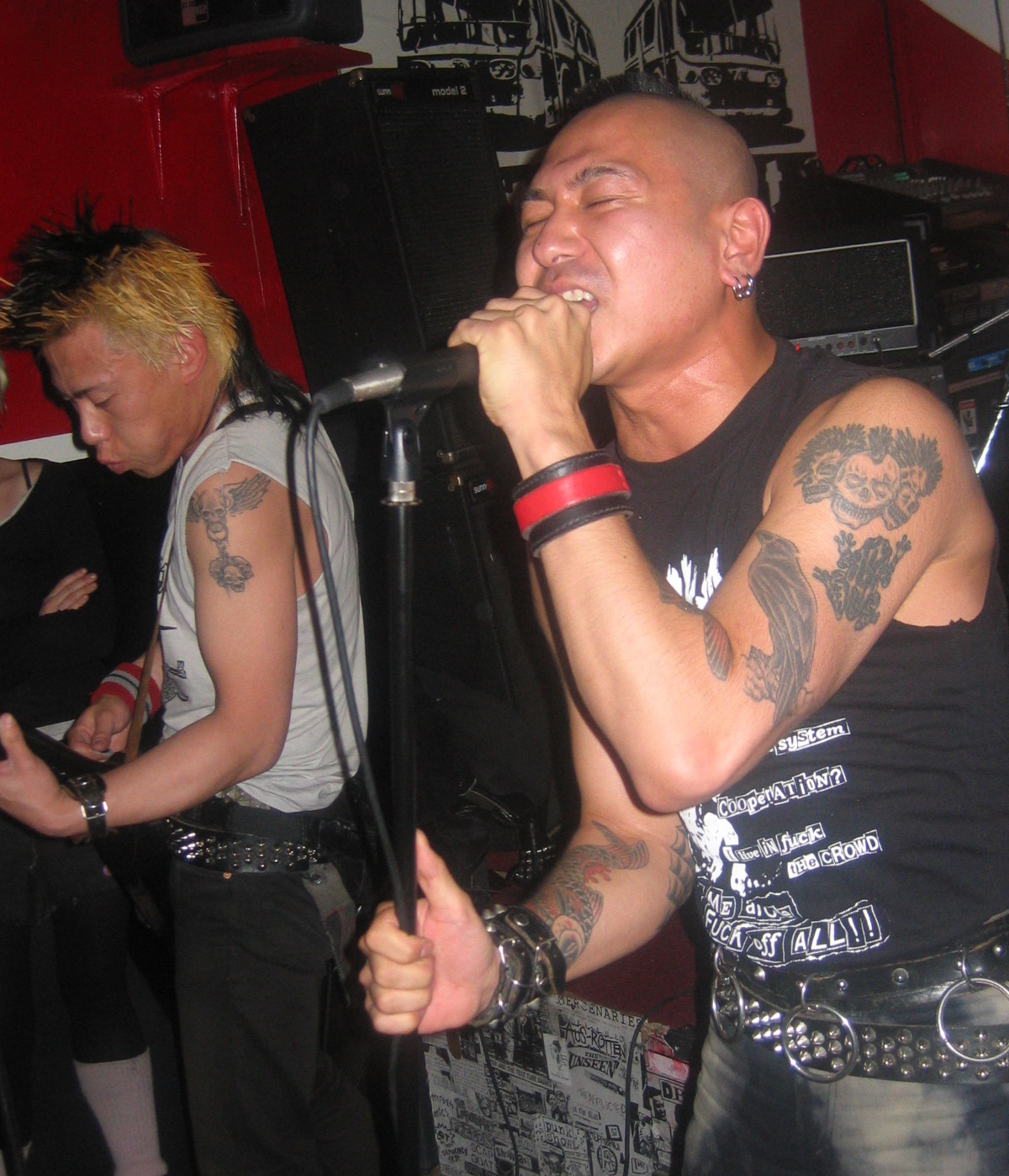
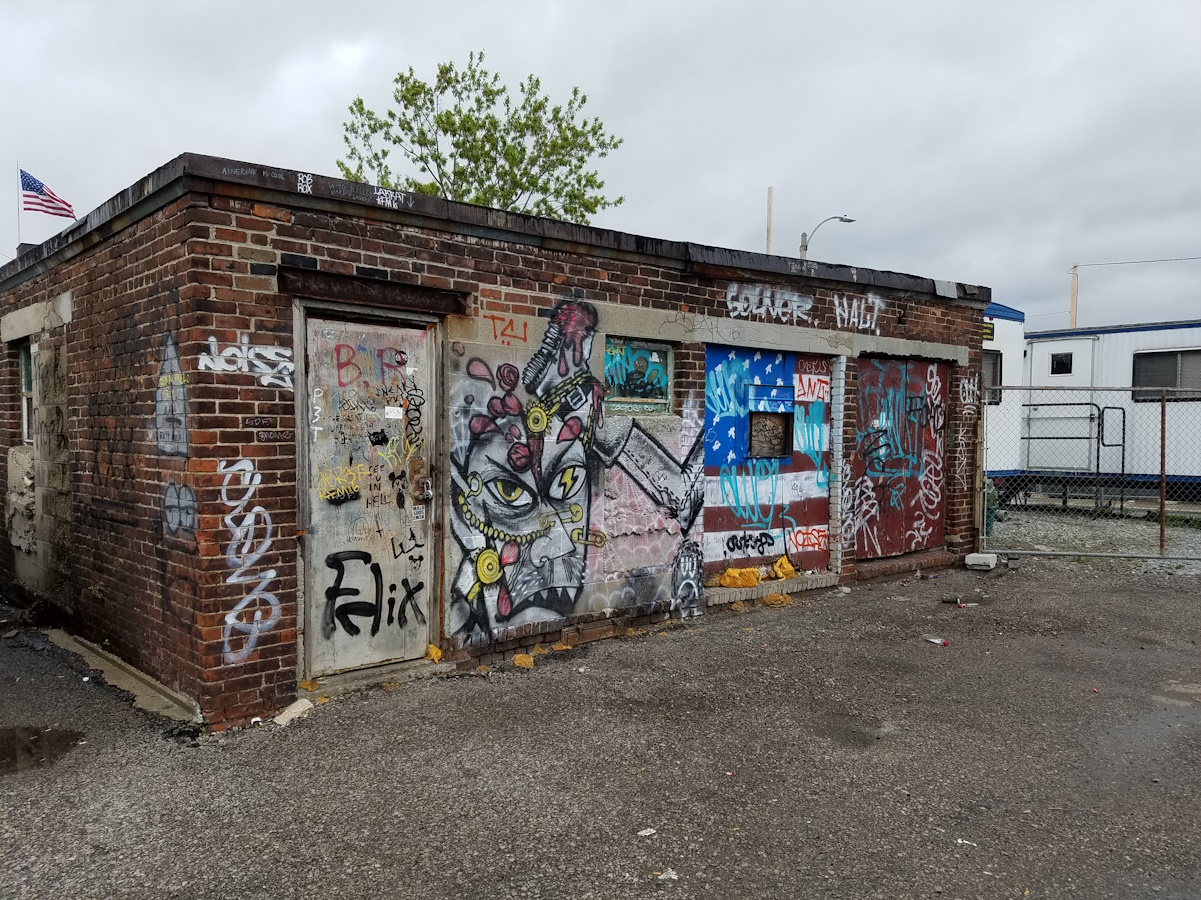
But my favorite venue over the past 20 years was the Boiler Room, which did shows from 2013 to 2016. It was in a dilapidated stone building in the middle of a truck lot in Allston, with the exterior covered by graffiti. No big sign, just a “B.R.” written on the steel door. After carefully descending down the rickety stairs, you’d enter an intimidating but enticing demimonde, with the odor of smoke, beer and god knows what else. And that was the outer room, with couches and a table where bands would peddle their merch. Then there was the inner room, where the shows happened. Concrete walls painted blue, marked by graffiti, a huge pile of beer cans at the rear, which would get cleaned out every month or two, and a stuffed bat hanging from the ceiling, seemingly keeping a watchful eye over everything.
The relatively isolated location probably allowed it to last as long as it did. The shows there had a generally late starting time. I used to refer to it as "Boiler Room O'Clock," which usually meant about 2 1/2 hours after the listed starting time--that's if you knew about the shows in the first place. The people running the space discouraged creating on-line social media events and if you weren't "in the loop" or got a flyer, you often didn't know about the shows. Still, keeping things on the down-low probably helped the Boiler Room’s longevity. Word-of-mouth was effective since almost every show was full. And the shows were crazy--loud, smoky and it wasn't surprising to be bombarded by showers of beer or various types of fireworks. Considering the building was basically a death trap, this probably wasn’t all that advisable. Definitely not a safe space, at least in that regard. By the way, not too many amenities either. For guys, the Boiler Room bathroom was between the empty trucks (although facilities were made available down the street in one of the apartment buildings.
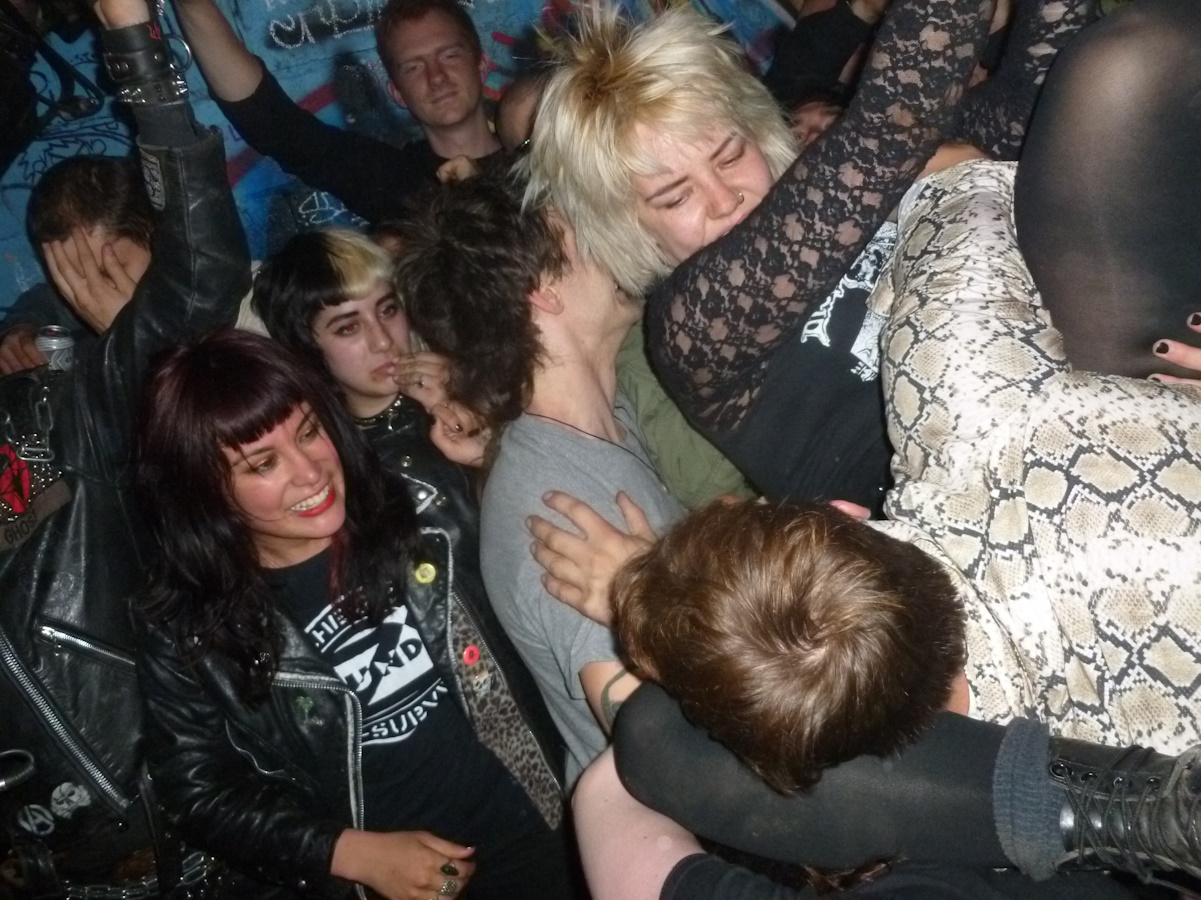
Even with all the chaos, everyone seemed to get along, for the most part. I don't recall seeing any serious altercations, although I guess there were a few from time to time. For instance, I wasn't there the night that someone shot a gun into the air outside. In fact, I didn't hear about it until long after. Even when there were, it was usually handled well. I recall seeing one non-regular acting a bit too aggressively in the pit and being taken outside. But instead of getting the crap beaten out of him, he was essentially given a scolding and allowed back in. And the acoustics were better than most clubs I go to, although if there wasn't a good PA, the vocals were sometimes tough to hear. And when someone neglected to pay the electric bill, an extension cord was extended across the lot to tap into power in another building. I wasn't at every show so perhaps I missed some incidents. By my count (tallying the folders of photos on my computer), I went to about 30 shows there over the three years it was open.
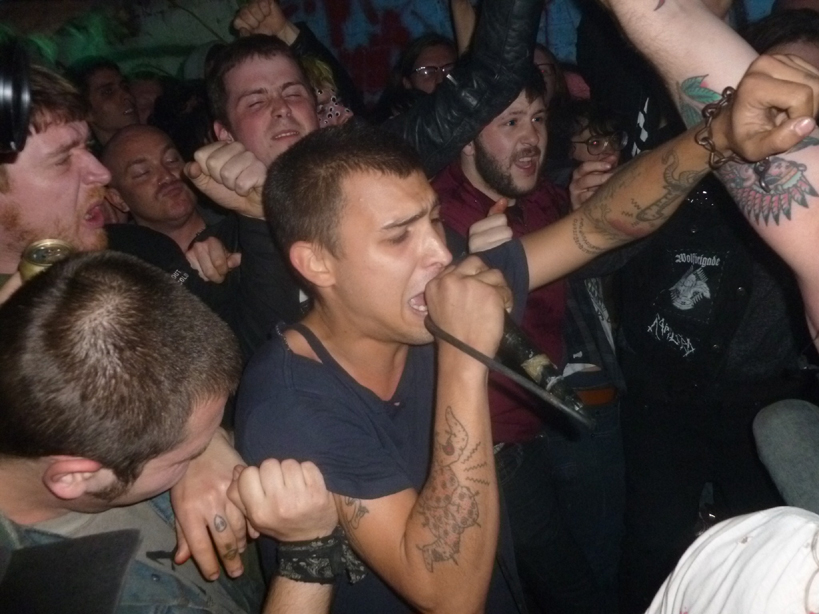
Then, abruptly, it was gone. Its demise had been rumored for awhile, since several spaces in a nearby block of buildings had been busted after an investigative report on one of the local stations about an “illegal rave” or something like that. It was still a sad moment but inevitable. That part of Allston is undergoing massive gentrification and the two streets that the Boiler Room was sandwiched between was bulldozed and replaced by condos.
Unfortunately, there's no space like that in the Boston area right now, at least that I know about. The Banshee Den, in Everett, was open from about 2019 to 2022, including a hiatus during the Covid shutdown and I'll always appreciate Kyle hanging onto the space. It was a practice space for his old band Banshee and there were some sick shows there, as well. Since then, the punk shows have gravitated to clubs, bars and the occasional rental hall show.


